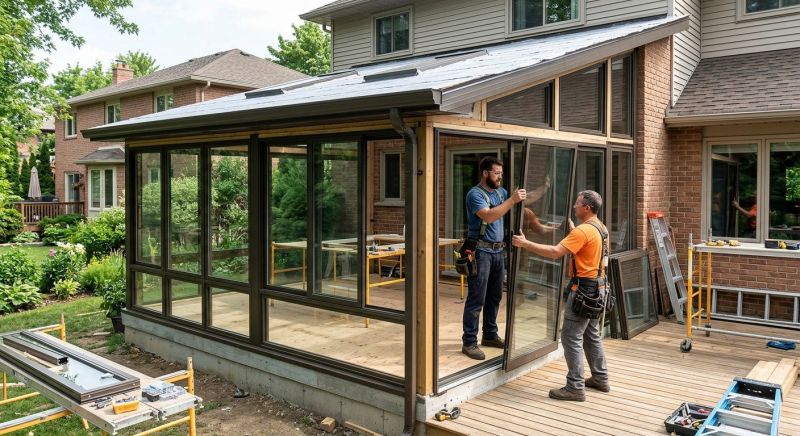
Enclosed Patio Installation in Austin, TX
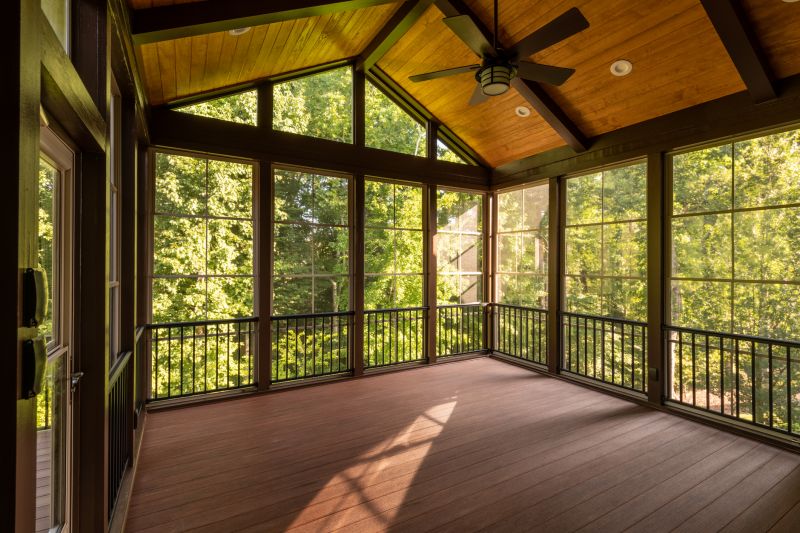
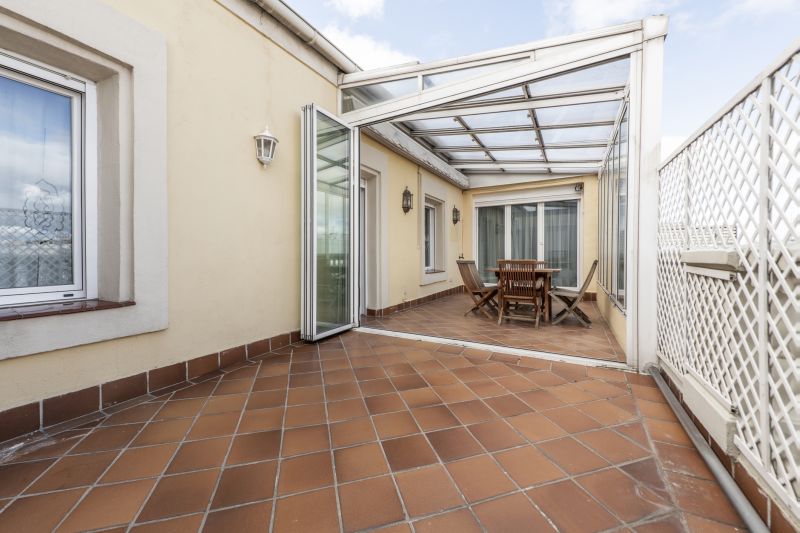
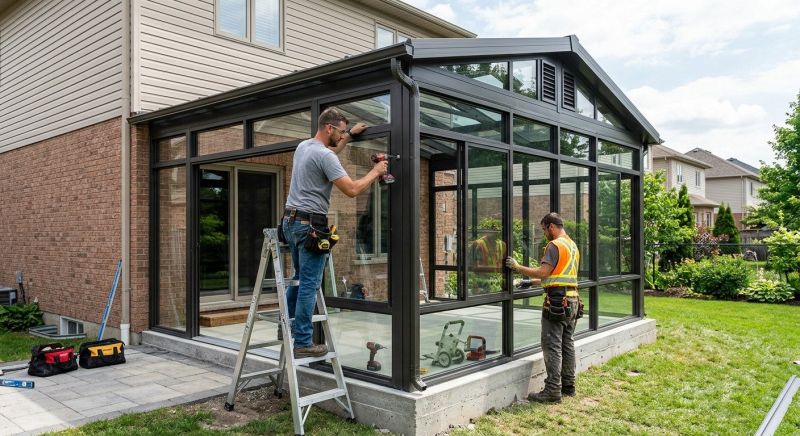
Enclosed patio installation services provide homeowners with a way to create a protected outdoor space that can be enjoyed year-round. These projects typically involve constructing a roofed enclosure, often with walls or screens, to shield against sun, rain, and insects. Enclosed patios can be built as an extension of existing outdoor areas, transforming a deck or porch into a more versatile space for dining, relaxing, or entertaining regardless of weather conditions.
Property owners interested in enclosed patio projects usually want to understand the different materials available, such as glass, screens, or solid walls, and how they impact durability and maintenance. It’s also important to consider the overall design, integration with the existing property, and any local building codes or permits required before beginning installation. Clarifying these details can help ensure the finished space meets both aesthetic preferences and practical needs.
Many property owners in Austin, TX look into Enclosed Patio Installation for repairs, replacements, upgrades, and appearance-related improvements.
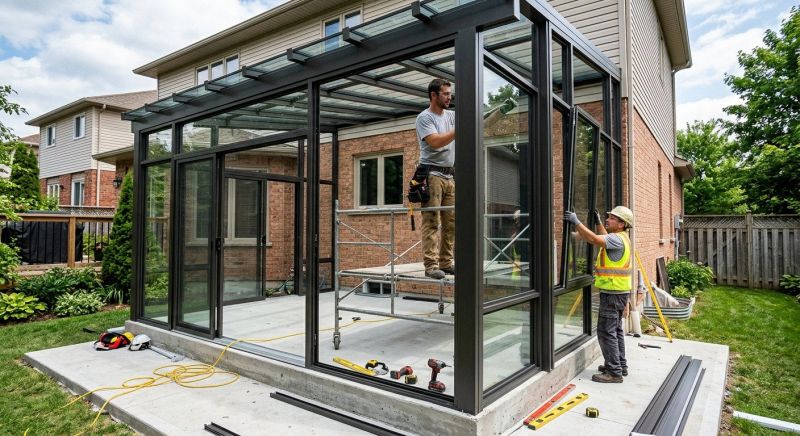
Benefits Of Enclosed Patios
Enclosed patios provide additional living space that can be enjoyed year-round.
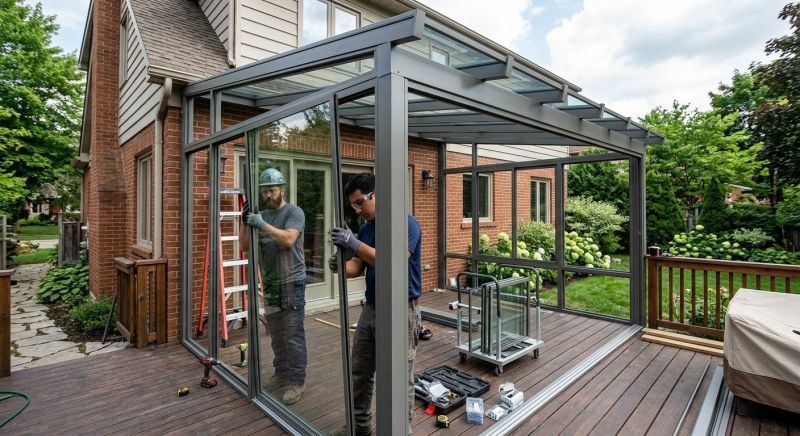
Design Options And Materials
There are various styles and materials to match the aesthetic of properties in austin, tx.
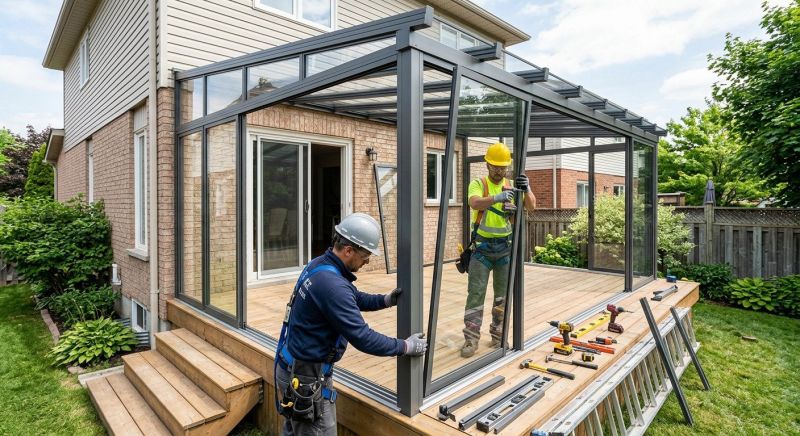
Installation Considerations
Proper installation ensures durability and seamless integration with existing outdoor areas.
Enclosed Patio Installation in Austin, TX

Enclosed patio installation services provide homeowners with a way to create a protected outdoor space that can be enjoyed year-round. These projects typically involve constructing a roofed enclosure, often with walls or screens, to shield against sun, rain, and insects. Enclosed patios can be built as an extension of existing outdoor areas, transforming a deck or porch into a more versatile space for dining, relaxing, or entertaining regardless of weather conditions.
Property owners interested in enclosed patio projects usually want to understand the different materials available, such as glass, screens, or solid walls, and how they impact durability and maintenance. It’s also important to consider the overall design, integration with the existing property, and any local building codes or permits required before beginning installation. Clarifying these details can help ensure the finished space meets both aesthetic preferences and practical needs.
Many property owners in Austin, TX look into Enclosed Patio Installation for repairs, replacements, upgrades, and appearance-related improvements.
Common Enclosed Patio Installation Jobs
Enclosed Patio Installation - creates a protected outdoor space that can be enjoyed year-round.
Sunroom Construction - adds natural light and extra living space to a home.
Screened Patio Enclosures - keeps insects out while allowing fresh air to flow through.
Glass Patio Enclosures - provides unobstructed views and a weather-resistant environment.
Patio Cover Installations - offers shade and shelter for outdoor seating areas.
Custom Enclosure Designs - tailored solutions to complement existing home architecture.
Enclosed Patio Installation Questions
What are the benefits of installing an enclosed patio? An enclosed patio provides a protected outdoor space that can be enjoyed year-round, offering added privacy and protection from the elements.
What materials are commonly used for enclosed patios? Common materials include aluminum, vinyl, and glass, chosen for durability and aesthetic appeal suited to outdoor environments.
Can an enclosed patio be customized to match existing home designs? Yes, designs can be tailored to complement the style of the property, enhancing overall curb appeal and functionality.
What types of projects typically involve enclosed patio installation? Projects often include creating outdoor living areas, sunrooms, or extending existing patios for additional usable space.
Request Enclosed Patio Installation in Austin, TX
Use the quote form on this page to share the basics of your project and request more information for the type of work you need.